
5 High Maintenance Types of Rugs
Not all rugs are created equal. While many are relatively easy to maintain, others demand more attention, care, and specialized treatment to keep them looking their best. High-maintenance rugs often feature delicate fibers, intricate weaves, or materials that are sensitive to moisture, sunlight, and foot traffic. Whether you already own one of these beautiful but demanding rugs or are considering investing in one, it’s important to understand what you’re getting into. Let’s explore five types of high-maintenance rugs and what makes them so challenging to care for—along with tips for keeping them in top condition.
Why Maintenance Matters
High-maintenance rugs often come with a higher price tag—not just because of their beauty, but because they require time, effort, and sometimes expertise to care for. Neglecting routine care can lead to irreversible damage, discoloration, and even the loss of value for collectible pieces. The investment in time or professional services pays off when your rug continues to enhance your space year after year.
When selecting a rug, always consider your lifestyle. Homes with pets, children, or frequent guests may not be the best environment for certain rugs unless you’re prepared for the extra care. On the other hand, if you’re furnishing a formal space or creating a personal retreat, a more delicate rug may be well worth the upkeep.

1. Silk Rugs
Silk rugs are admired for their luminous sheen, fine weave, and luxurious texture. Often hand-knotted with intricate patterns, these rugs are prized as much for their artistry as their utility. But while stunning, silk is one of the most delicate fibers used in rug making.
Silk rugs stain easily, absorb moisture quickly, and are extremely sensitive to abrasive cleaning. Even vacuuming must be done with caution, using a brushless suction head to avoid damaging the fibers. Spot cleaning a silk rug is risky—many over-the-counter cleaners can break down the silk or cause discoloration. In humid climates, these rugs are especially prone to mold and mildew.

To care for silk rugs, keep them in low-traffic areas like formal living rooms or bedrooms. Avoid direct sunlight, rotate them regularly, and never expose them to high humidity. When cleaning is necessary, always rely on a specialist who understands silk’s unique properties.
2. Shag Rugs
Shag rugs have made a comeback in recent years for their retro flair and ultra-soft pile. These rugs feature long, plush fibers that offer a cozy look and feel. However, what makes them attractive is exactly what makes them high-maintenance.
The long pile of shag rugs traps dirt, dust, crumbs, and even pet hair deep within the fibers. Regular vacuums struggle to remove debris without tangling or damaging the strands. Even walking on a shag rug can compress the fibers, causing them to mat and lose their bounce.

To maintain a shag rug, shake it out outdoors whenever possible and use a handheld vacuum or upholstery attachment for gentle cleaning. Spot-clean with extreme caution, avoiding excess moisture that can linger in the dense pile. These rugs should be professionally cleaned more frequently than others, especially in high-traffic areas.
3. Antique or Vintage Rugs
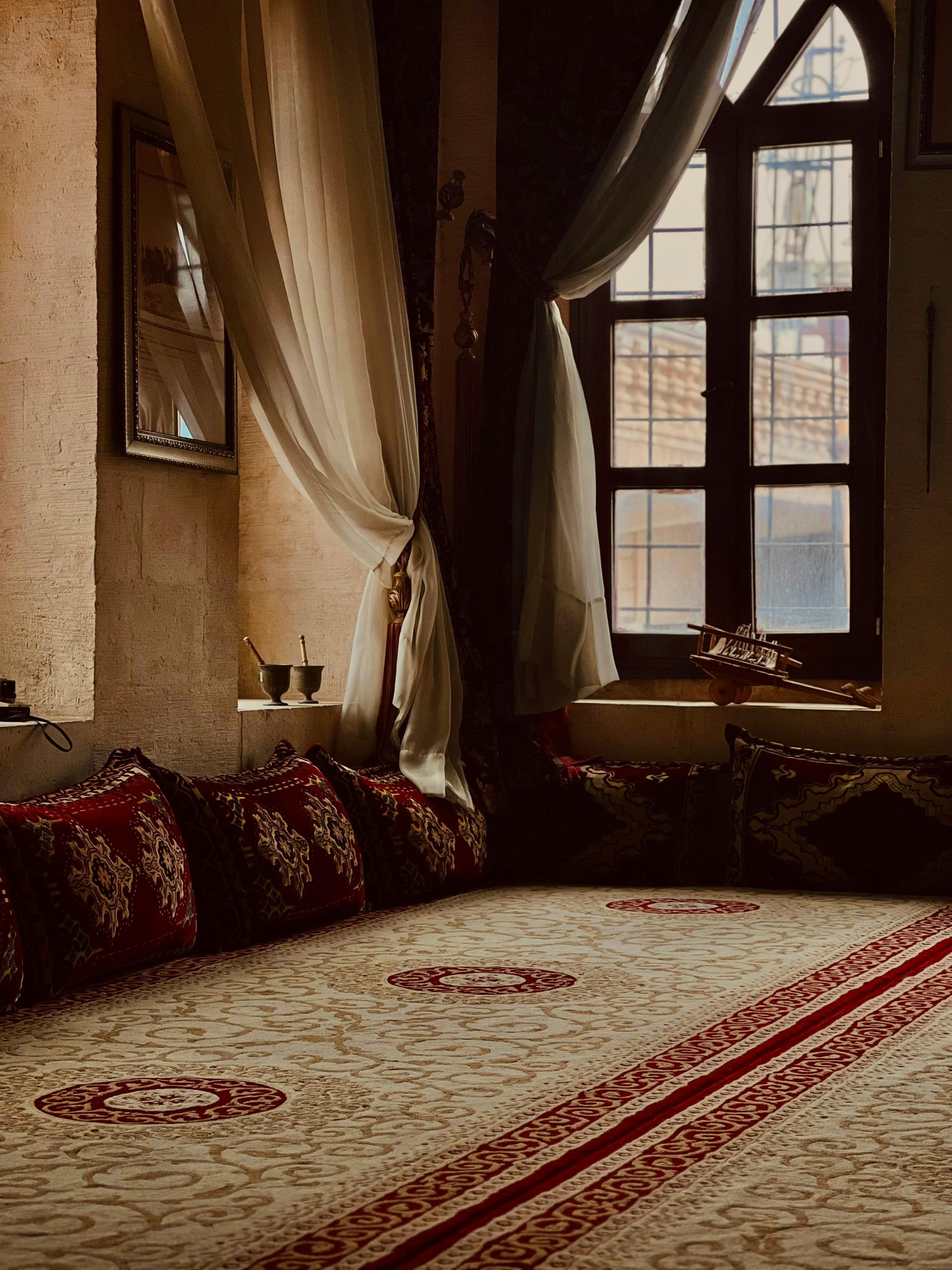
Antique and vintage rugs, especially those that are handwoven and dyed with natural pigments, are among the most valuable and visually rich floor coverings available. But with age comes fragility, and these rugs demand a high level of care.
Older rugs often have weakened fibers, faded dyes, or worn spots that can be exacerbated by regular use or improper cleaning. They’re also more susceptible to sun damage and insect activity, especially moths. Additionally, antique rugs usually can’t withstand aggressive cleaning techniques or commercial cleaning products.
To protect antique rugs, place them in lightly used areas and use rug pads to cushion and reduce wear. Rotate them periodically and keep them out of direct sunlight. Only allow professionals with experience in antique textiles to clean or repair them. Avoid DIY spot treatments altogether, as even small mistakes can cause irreparable damage.
4. White or Light-Colored Rugs
White, ivory, and other light-colored rugs instantly brighten a room and make spaces look more open and elegant. But they also show every bit of dirt, dust, and discoloration, making them some of the hardest rugs to keep clean.
Even minor spills, foot traffic, or pet activity can stain light-colored rugs. Daily maintenance becomes essential, including frequent vacuuming and immediate response to spills. Light colors also make it more difficult to use spot treatments without visible fading or contrast issues.

These rugs should be reserved for areas where food and drinks are not typically consumed and where pets and kids won’t regularly track in dirt. Opt for shoes-off household policies to preserve their pristine appearance. Routine professional cleaning is essential to remove underlying dirt that dulls the rug over time.
5. Natural Fiber Rugs
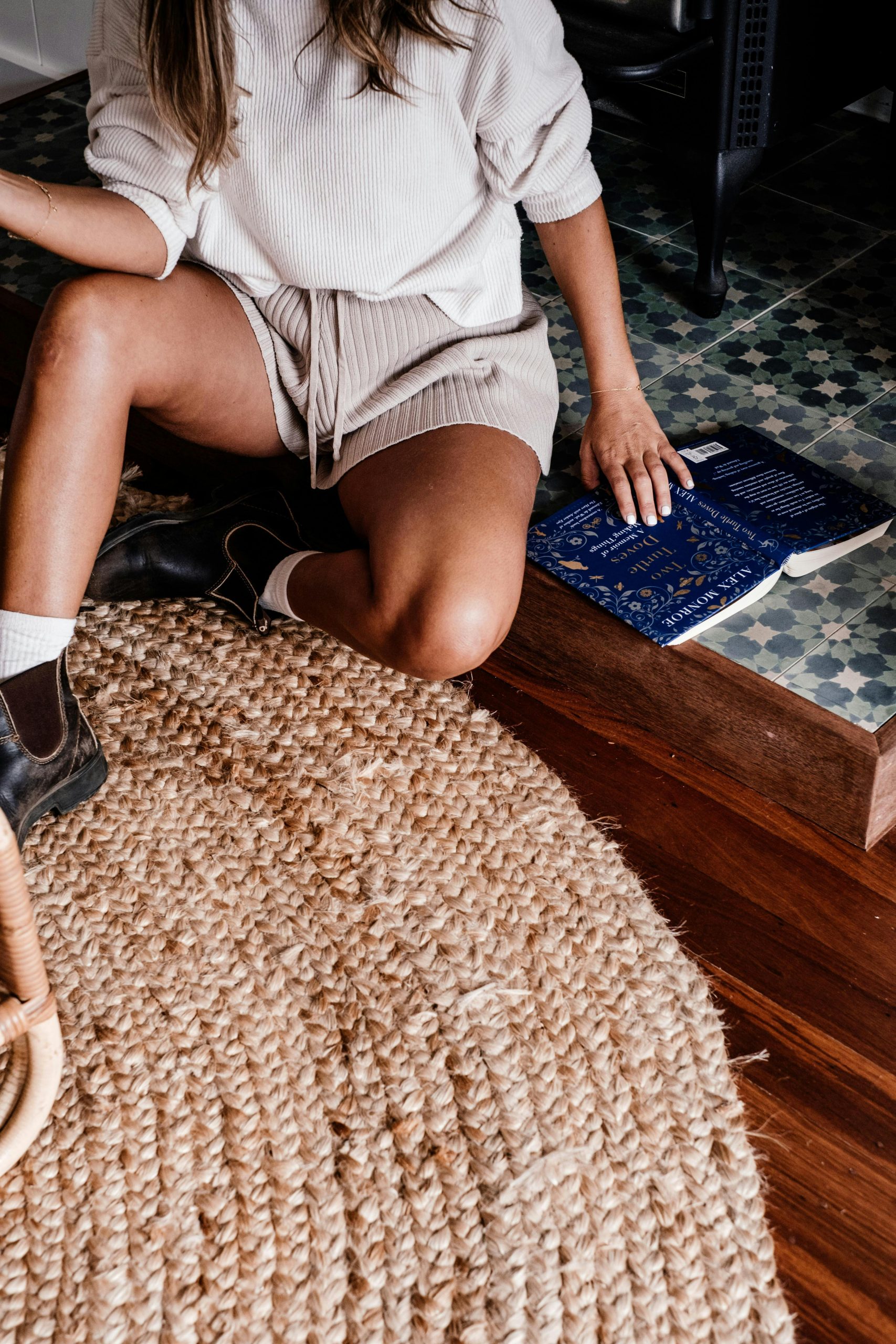
Natural fiber rugs made from jute, sisal, or seagrass are popular for their earthy, organic look. They’re eco-friendly and fit well in casual, coastal, or rustic interiors. But despite their simplicity, these rugs are surprisingly tricky to maintain.
Natural fiber rugs are highly absorbent and do not respond well to moisture. Spills can stain permanently and cause fibers to swell, distort, or even grow mold. These materials are also prone to fraying at the edges and can become brittle over time.
Vacuum natural fiber rugs frequently using suction-only attachments. Blot spills immediately with a dry towel—avoid water and commercial cleaners. Place these rugs in dry, low-moisture environments and rotate regularly to prevent uneven wear. For deep cleaning, consult a professional who knows how to clean plant-based fibers without water damage.
Final Thoughts
Rugs can elevate the look and feel of any room—but only if they’re properly cared for. Silk, shag, antique, light-colored, and natural fiber rugs all bring distinct beauty, but they also demand more effort than standard synthetic or wool rugs. Knowing how to care for them and understanding their vulnerabilities will help you keep your space both stylish and functional.
Whether you’re choosing your first luxury rug or already own several, staying informed about care requirements is key. With proper attention, even the most high-maintenance rugs can continue to impress for generations.